
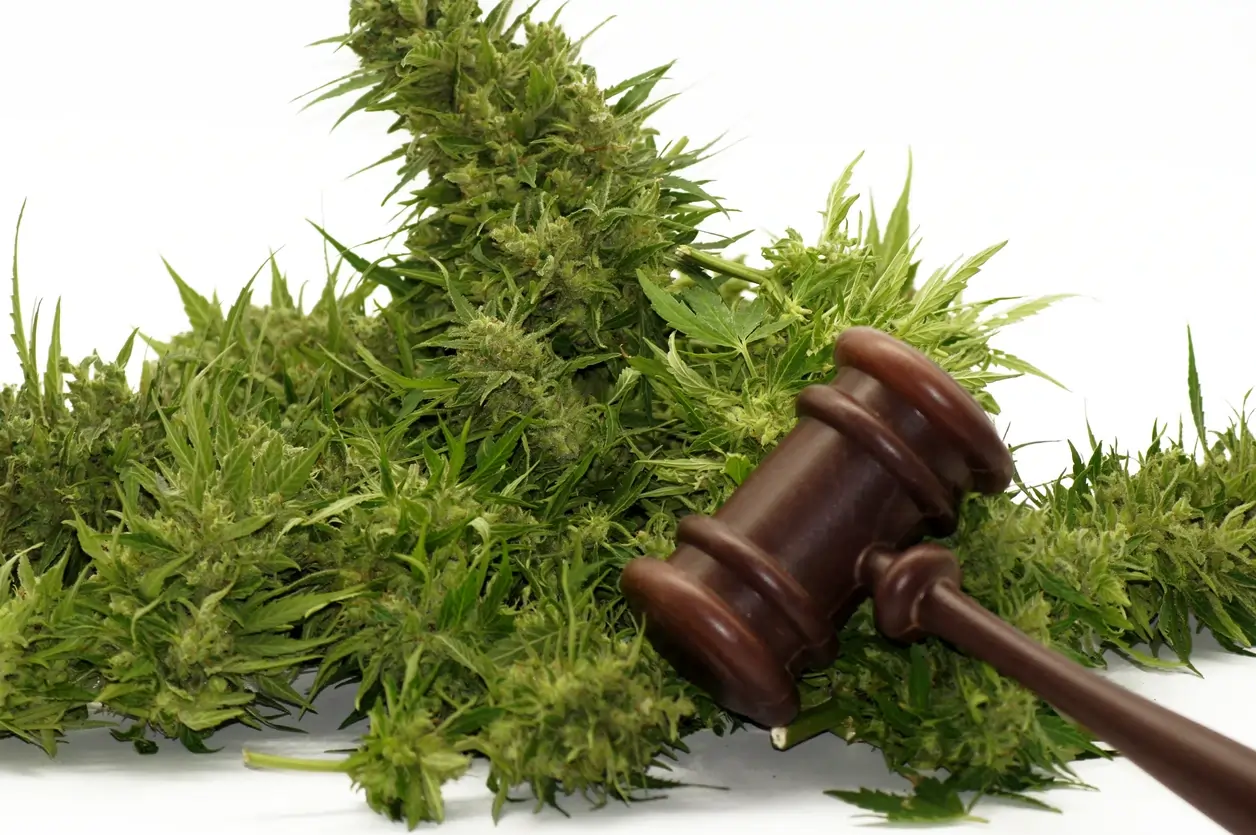
The federal landscape for hemp and hemp-derived products is about to undergo its most significant transformation since the 2018 Farm Bill. While national attention largely centered on the record-setting 44-day government shutdown during President Trump’s second term, the most consequential policy change for the hemp industry appeared within that 2026 Budget Bill (H.R. 5371).
Signed into law on November 12, 2025, this legislation contains new THC limits and cannabinoid restrictions that, if left unchanged, will effectively eliminate most consumable hemp products in the U.S. by November 2026. With roughly 300,000 U.S. jobs tied to the current hemp economy, businesses must begin preparing immediately for a dramatically different regulatory environment.
How We Got Here – The Federal Loophole Which Drove Change
Explained ad nauseam, the 2018 Farm Bill legalized hemp by defining it as cannabis containing no more than 0.3% delta-9 THC on a dry-weight basis. The legislative intent here was to allow industrial uses (i.e. fiber, grain, seed), not to create a new psychoactive market. However, this overly narrow definition, focusing only on delta-9 THC, opened a pathway for hemp manufacturers to extract and synthesize other intoxicating cannabinoids from lawful hemp, such as delta-8, delta-10, THCA, THCP, or HHC, often in amounts far exceeding those found in typical marijuana edibles.
Not surprisingly, over the past seven years, the hemp consumer market expanded with a plethora of different products, including gummies, vapes, and beverages. These products were often sold in gas stations without age restrictions, safety standards, or accurate labeling. The absence of federal regulation allowed for a fragmented hemp marketplace to quickly emerge, raising concerns about consumer safety, interstate commerce, and child-appealing products.
Federal Pressure For Reform Has Been Brewing For Years
In May 2024, Mary Miller (R-IL) introduced a then-controversial amendment to the Federal Farm Bill that sought to redefine “hemp” in a manner that would have effectively banned nearly all ingestible hemp-derived products containing any measurable amount of THC, including popular compounds such as delta-8 THC and even the trace levels of THC found in non-intoxicating CBD goods. Her proposal was set to limit hemp to only naturally occurring, non-intoxicating cannabinoids and impose a strict 0.3% total THC (including THCA) threshold by dry weight.
The restrictive language was included in the House passed bill but was removed in the Senate during their revisions. Despite its removal, the apparent success of the language encouraged other members of Congress to continue to fight for this change.
Then, in October 2025, a bipartisan coalition of 39 state Attorneys General urged Congress to close the “unintended loophole” they said was enabling the sale of unregulated intoxicating hemp-derived THC. They argued these products often possessed potency comparable to, or greater than, legal marijuana products, were sold in forms attractive to children, lacked consistent testing, labeling, and safety oversight.
The AGs argued that these products simply cannot be effectively regulated at the state level due to interstate commerce. The coalition strongly urged Congress to clarify hemp’s definition to ensure all intoxicating cannabinoids (regardless of type or method of production) are unlawful, while preserving the legality of non-intoxicating industrial hemp.
Then, just weeks later, Congress enacted the new federal restrictions within H.R. 5371.
The New Federal Hemp Rules Effective November 2026
Enforcement Delay: Enforcement of these provisions is delayed for a period of 365 days from the date of enactment (Nov. 12, 2025), providing a one-year window for affected entities to either achieve compliance or pursue legislative (or litigation) remedies.
Maximum THC per Container: No final hemp-derived cannabinoid product shall contain more than 0.4 milligrams of total tetrahydrocannabinols (THC) per container, representing a dramatic departure from the prior 0.3% delta-9 THC dry weight threshold.
Prohibition on Synthetic Cannabinoids: No cannabinoids, regardless of their concentration, shall be included if they are synthesized or manufactured outside the Cannabis sativa L. plant. Accordingly, all cannabinoids must be naturally derived from hemp, and not produced entirely through chemical synthesis in a laboratory.
Prohibition on THC-Analog Cannabinoids: No cannabinoids that produce effects similar to, or are marketed as having effects similar to, THC shall be permitted, as determined by the Secretary of Health and Human Services.
Expanded Definition of Total THC: For purposes of compliance, the term “total THC” shall encompass delta-8 THC, delta-10 THC, other THC isomers, and any other intoxicating cannabinoids, whether naturally occurring or artificially derived. This definition remains particularly vague, potentially creating opportunities for litigation-savvy entrepreneurs to exploit.
Prohibited Cannabinoid List: The Food and Drug Administration, in coordination with other relevant federal agencies, is mandated to publish a comprehensive list of all naturally occurring and prohibited cannabinoids within ninety (90) days of enactment, establishing a federal delineation between “allowed vs. prohibited” substances.
Seed Ban, But Not a Ban on Cultures or Clones: Under the new law, marijuana seeds are no longer classified as hemp, however, tissue cultures and clones remain unaddressed. Accordingly, cannabis breeders may continue trading these forms of marijuana genetics, highlighting a potential enforcement gap within the seed ban.
Additional Legislative Adjustments on Capital Hill Are Likely To Come.
Instead of calling for a repeal or moderation of the new THC cap, momentum on Capitol Hill has already begun shifting in another direction. Just this week, Sen. Rand Paul (R-KY) has stated he is considering legislation that would return hemp regulatory authority back to the states, allowing them to set their own standards, even if those standards differ from the new federal limitations.
Such an approach would create a state-by-state patchwork similar to what currently exists for marijuana, raising significant questions about interstate commerce and federal tax implications. Importantly, these new federal restrictions may also expose hemp businesses to Section 280E, the tax code section prohibiting Schedule I and II substance businesses from taking standard business deductions. This issue alone could dramatically alter operational viability for many hemp companies currently operating in the space.
What Hemp Operators Should Do NOW
The November 2026 deadline will be here in no time, so hemp businesses cannot afford to sit around and wait. We strongly recommend taking the following proactive steps:
Conduct a Full Product Line Audit.
- Identify all products exceeding the new THC limits.
- Assess the presence of synthesized or intoxicating cannabinoids.
- Evaluate supply chain components that may no longer be compliant.
Prepare for State-Level Regulatory Divergence.
- Begin (or Continue) monitoring state legislatures for new or revised hemp regulations.
- Consider the feasibility of operating under certain state-specific rules.
Evaluate Licensing and Operational Adjustments.
- Anticipate new manufacturing, retail, and distribution licensing requirements within each state.
- Evaluate the financial impact of potential 280E exposure.
Develop a Strong 2026 Strategy.
- Prepare scenarios for reformulation, diversification, or pivoting into compliant product categories.
- Consider advocacy or engagement with relevant trade organizations and lawmakers.
The year leading up to November 2026 will be decisive for the hemp industry. With sweeping federal changes set to take effect, businesses that assess their risks, update their compliance strategies, and anticipate regulatory shifts will be far better positioned to survive and adapt. Now is the time to evaluate your product portfolio, engage with policymakers, and prepare for a significantly different operating environment.
Manzuri Law Attorneys will continue monitoring federal and state developments. Entities and Individuals who are seeking guidance on compliance, product strategy, or legislative advocacy should contact us for more tailored support.
Related Links:
- Much Ado About the DEA Interim Final Rule; What’s The Deal With Hemp?
- The Legalities of Interstate Transportation of Hemp
- Closing the Hemp Loophole: Congressional Proposals Target Intoxicating Cannabinoids
- California Submits Proposed Hemp Regulations to the USDA – If Approved, Compliance Will be Key